



Entering the AI software factory era
What automating the SDLC at LaunchDarkly taught our CPO about speed, control, and the job of an engineer.
Read the post
Introducing Release Autopilot: Automated release control for AI-built code — Read the announcement
As AI software factories speed up code creation, the bottleneck has moved into stages of the SDLC where the existing processes can’t handle the load. This resource center is for teams looking to build and run an AI software factory that automates the entire SDLC—from code creation to controlled, automated release—along with tips and lessons learned from the developers and leaders doing it right now.
Automation needs to extend beyond deploy to safe production release, and many AI software factories fall short. This guide explores what they’re lacking, where the bottleneck is, what automated release looks like, and how LaunchDarkly built its own factory with runtime control.
Read the guideWhat automating the SDLC at LaunchDarkly taught our CPO about speed, control, and the job of an engineer.
Read the post
We pointed coding agents at our oldest, most business-critical frontend to learn what a healthy AI software factory actually looks like.
Read the post

We explored the delta between wiring up coding agents for a side project and building a software factory inside a codebase that ships to thousands of customers.
Read the post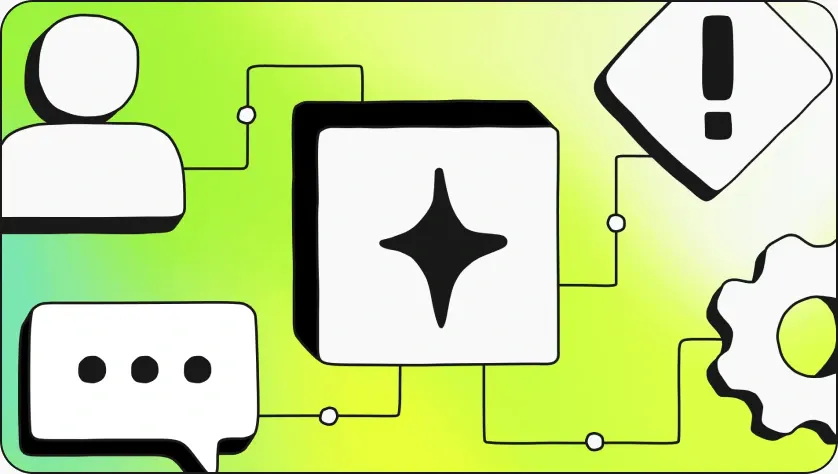

The story of what happened when four agents and one Jira board met a week's worth of bugs nobody had noticed.
Read the post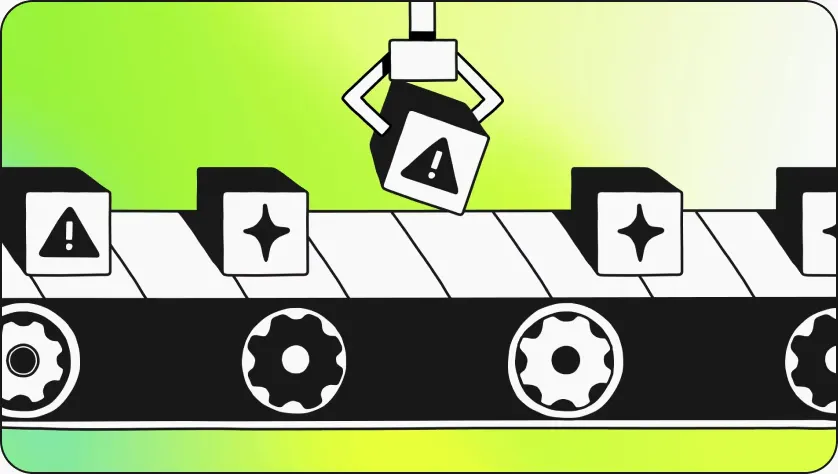

How one product manager turned a personal side project into a real-world testbed for our internal software factory implementation—and changed how he shipped.
Read the post

See how it works
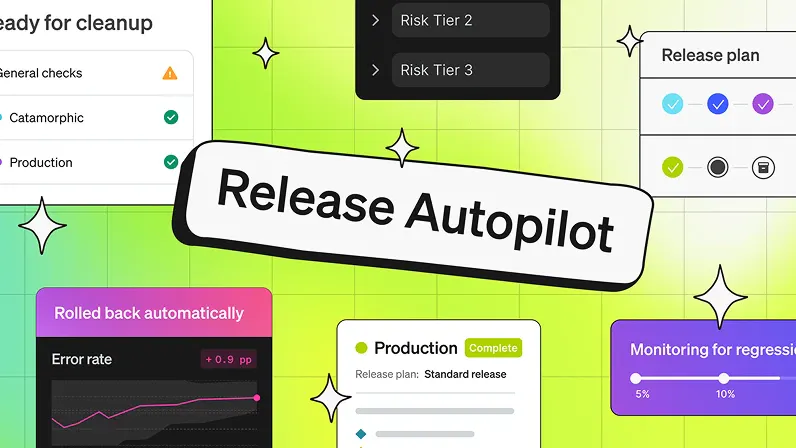
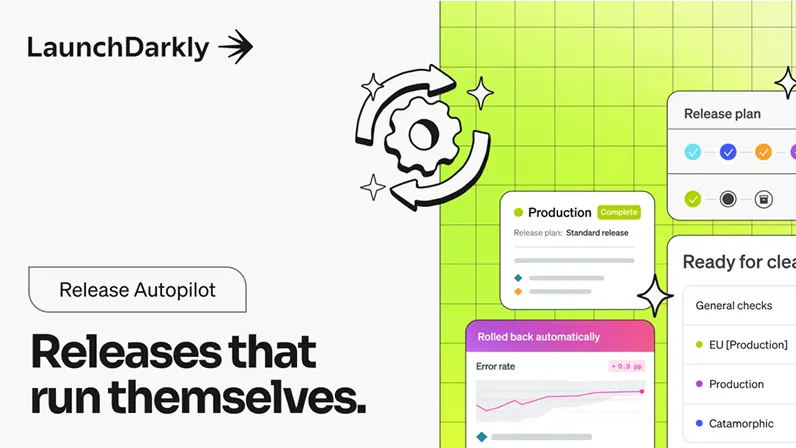
AI is accelerating how software is built, but a software factory needs to automate more than coding, testing, and deploying. Teams also need to safely release and manage changes in production, with humans setting the guardrails. See how LaunchDarkly Release Autopilot helps automate this critical part of the factory, from flag creation and guarded releases to cleanup.
An AI software factory is an operating model where agents run the full software development lifecycle. It can be helpful to think of a factory as having two sides, each spanning three stages of the SDLC. On the preproduction side, agents build, test, and deploy code. On the production side, agents release, observe, and iterate on it. Humans stop being the ones who execute and become the ones who define the intent, policy, and guardrails that every agent in the factory operates inside of.