Monitoring what AI applications are doing in production: AI outputs, inputs, model behavior, latency, model usage, and quality metrics. For agents, that extends to decision traces, tool calls, and how behavior shifts across model versions or prompt changes.
AI Observability
See what your AI is doing in production. Fix it without redeploying.
AI observability with runtime controls to fix issues before problems get out of hand.

Visibility without control is just a better view of the problem.
When a model update ships and something breaks, you have two problems: figuring out what went wrong, and stopping the damage. Most AI observability platforms are built for the first problem. LaunchDarkly is built for both.
- AI agents act autonomously in production and small changes to prompts or models can shift behavior in ways that are hard to predict (and harder to trace).
- Most AI observability platforms tell you what broke. They don't always give you a way to stop it without shipping a fix.
- By the time you've diagnosed the issue, written the patch, and pushed a deployment, the blast radius has already grown.
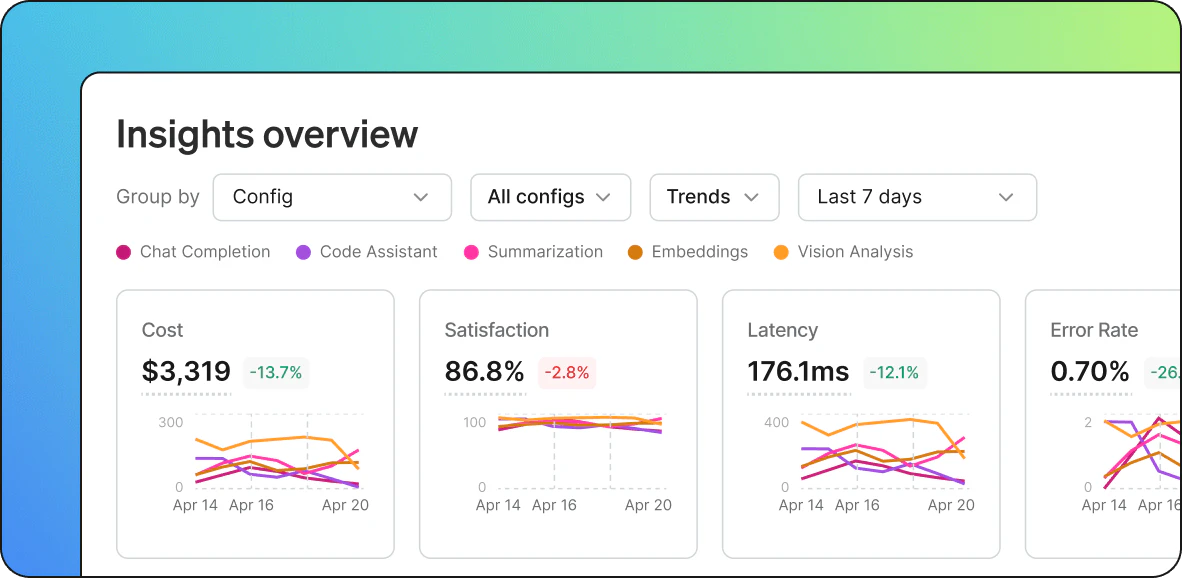
Real-time metrics

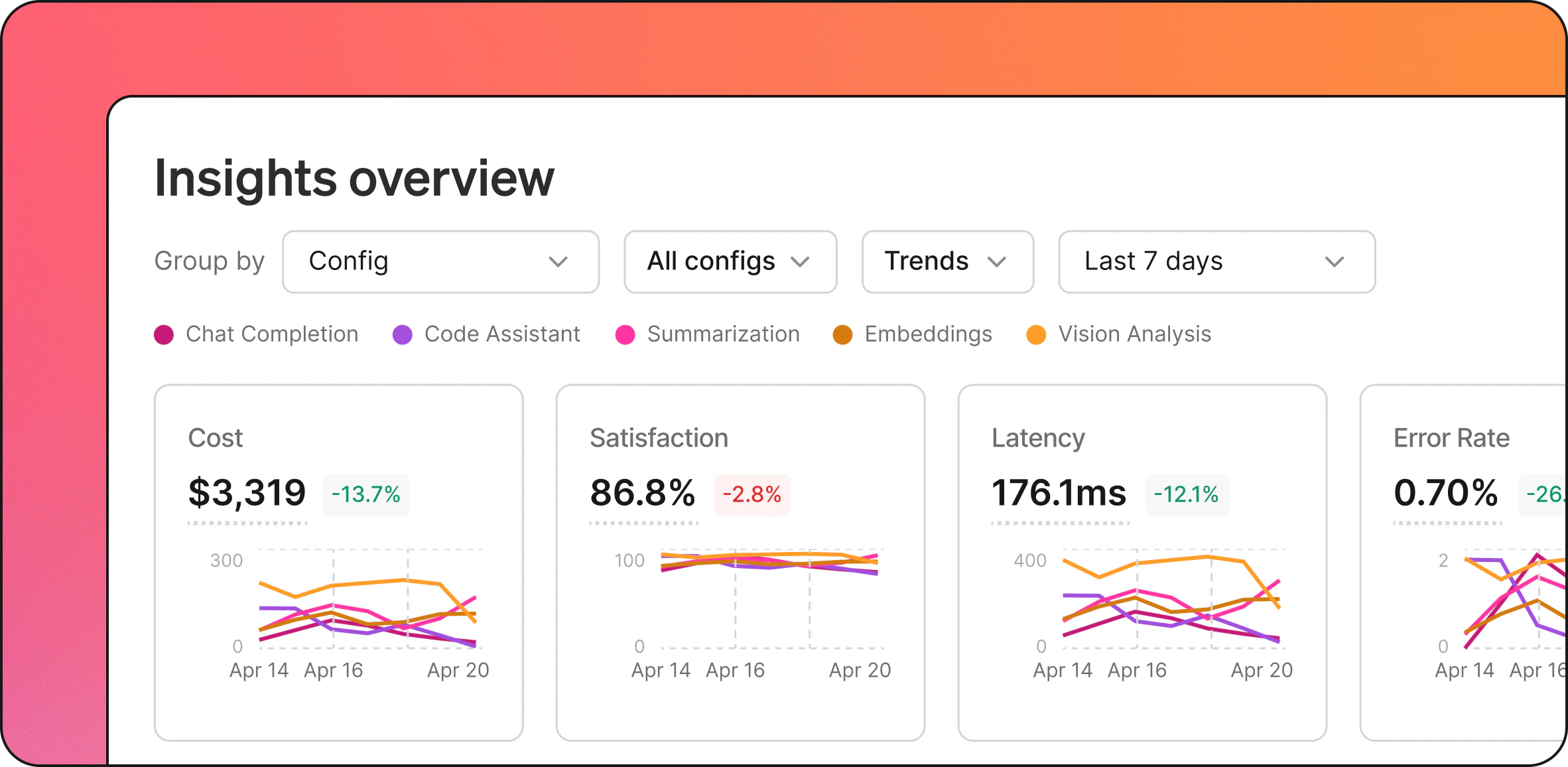
Track latency, token usage, error rates, and custom quality metrics in real time
Full context
Trace and session links to the exact flag state and AI config active at the time
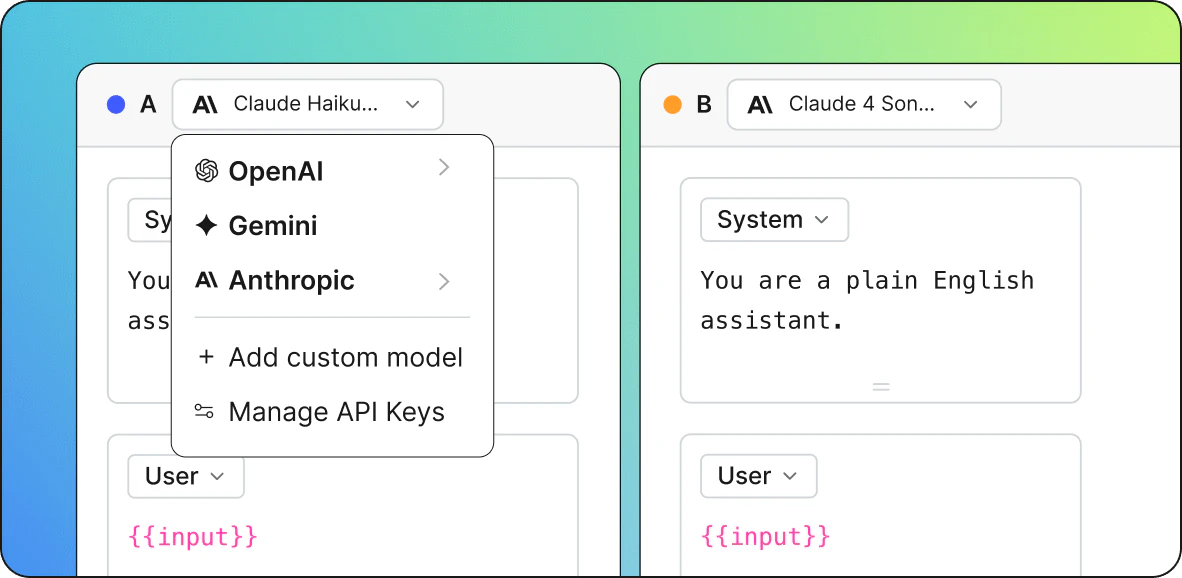
Side-by-side comparison
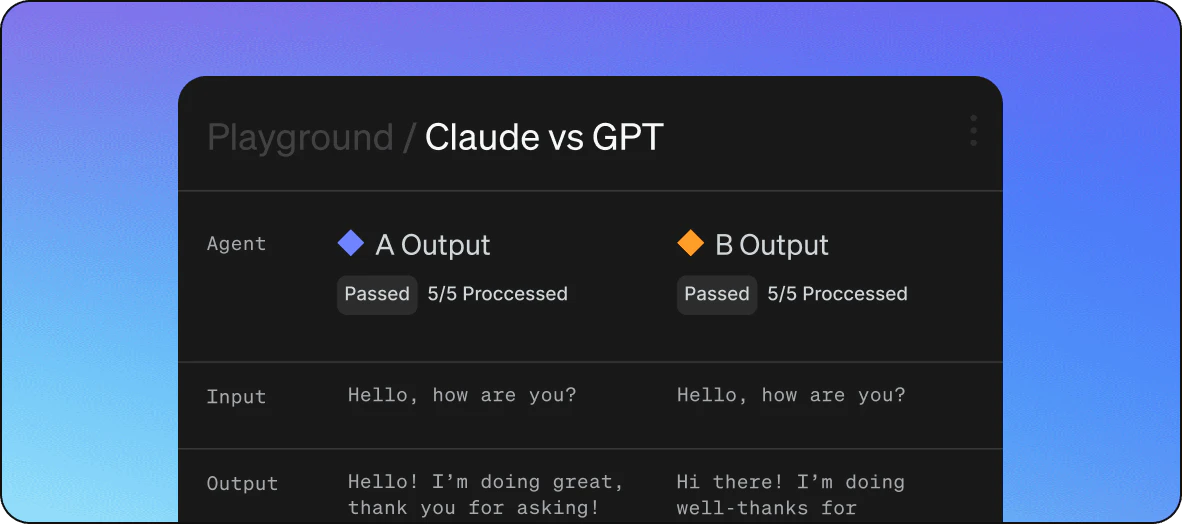
Compare performance across model versions and prompt variations side by side

Monitor AI behavior tied to what changed.
Connects logs, traces, and metrics to the model version and flag state that caused the issue.

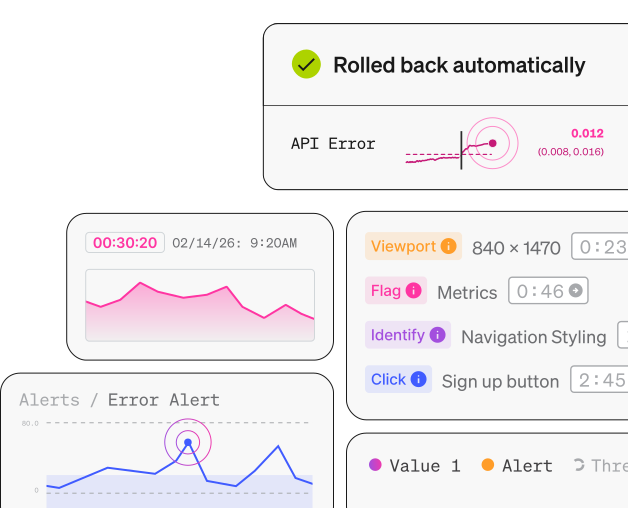
Ship AI changes progressively. Roll them back automatically.
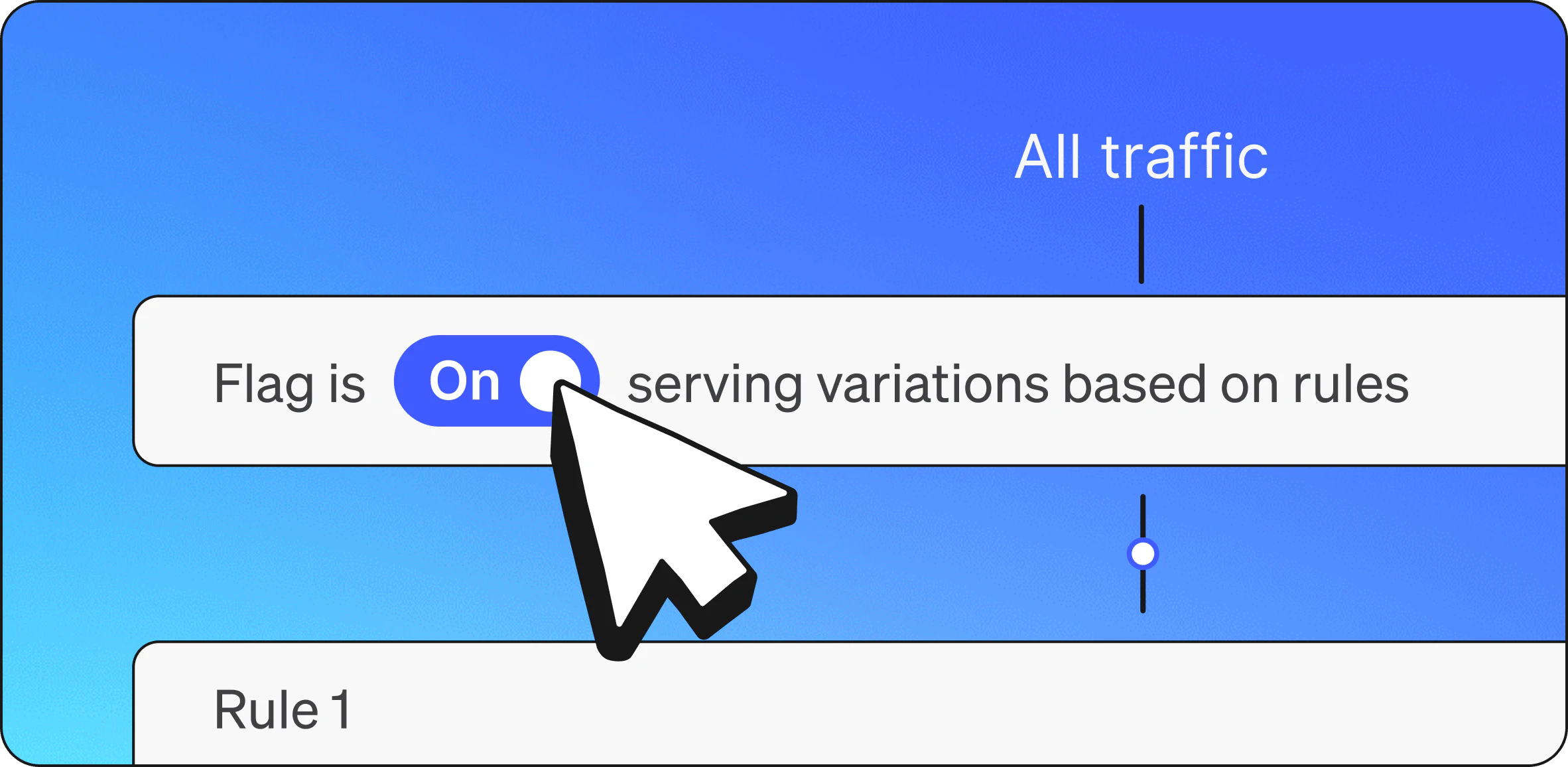
Define rollout percentage and model performance thresholds. LaunchDarkly monitors as exposure increases.
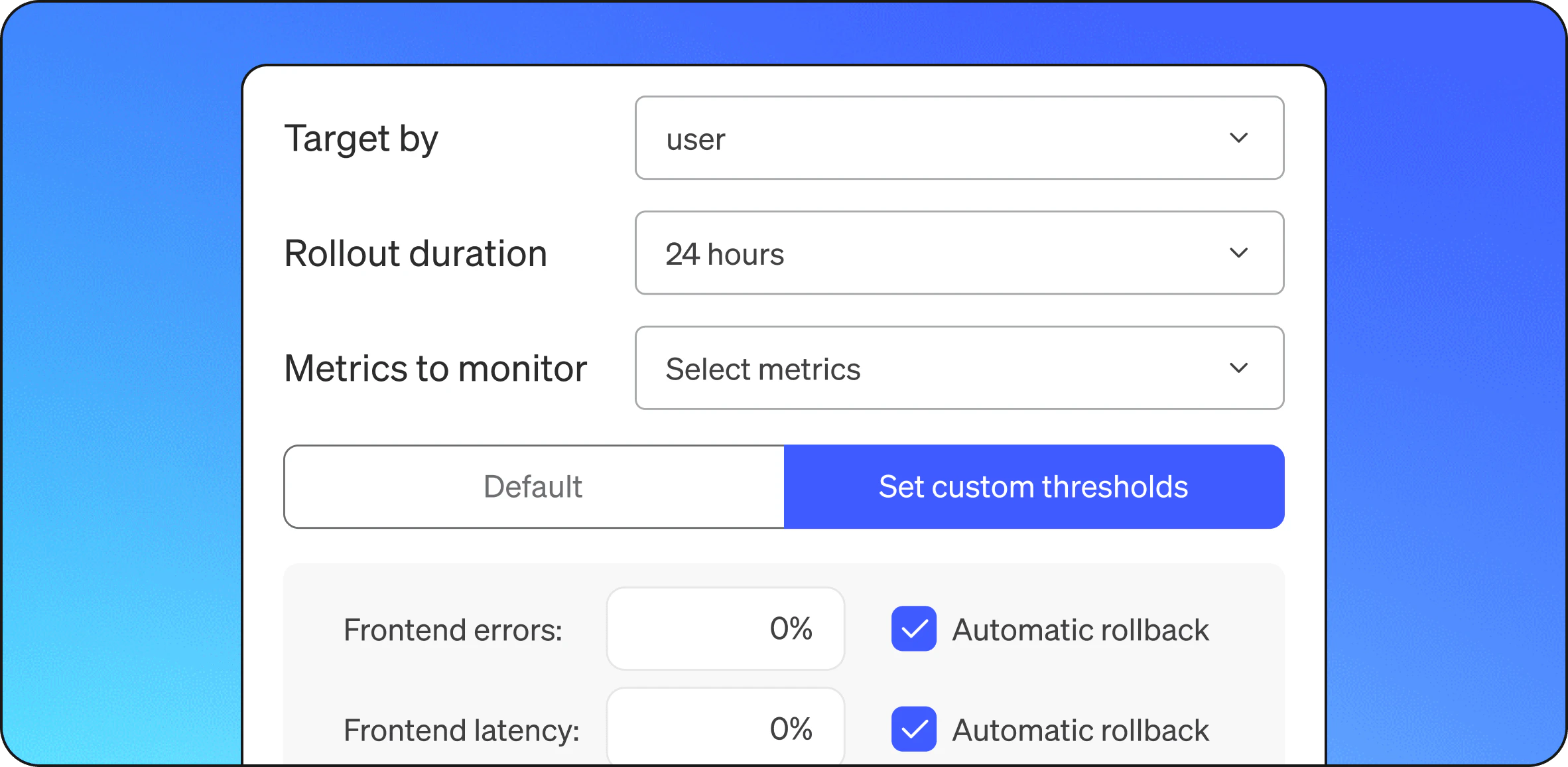
Progressive rollout
Start rollouts at 1%, 5%, 10% and move forward when signals are clean
Custom guardrails
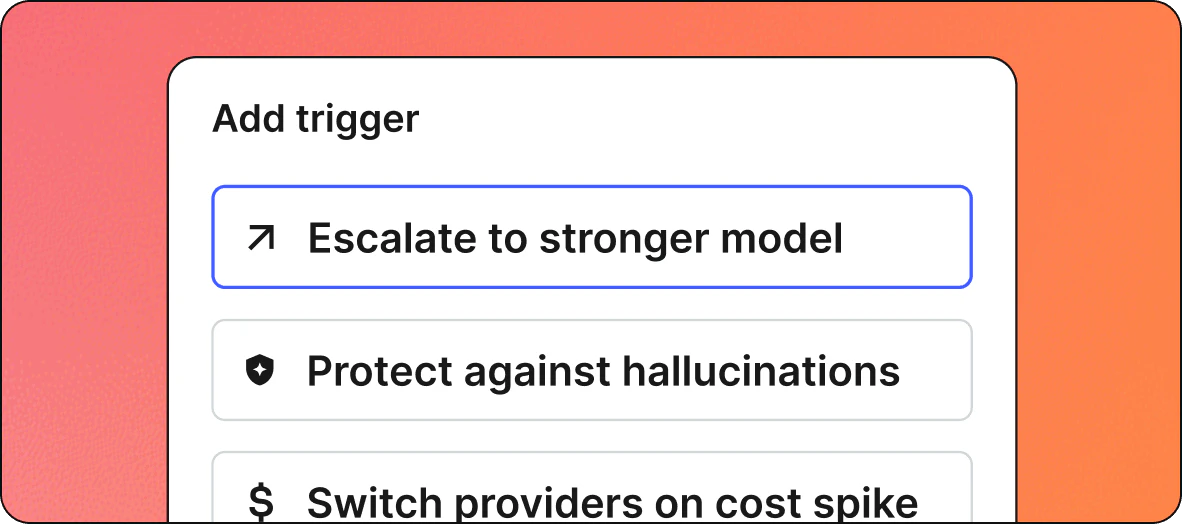
Set guardrails on key metrics: latency, API errors, token cost, output quality
Instant rollback
Auto-rollback triggers in milliseconds
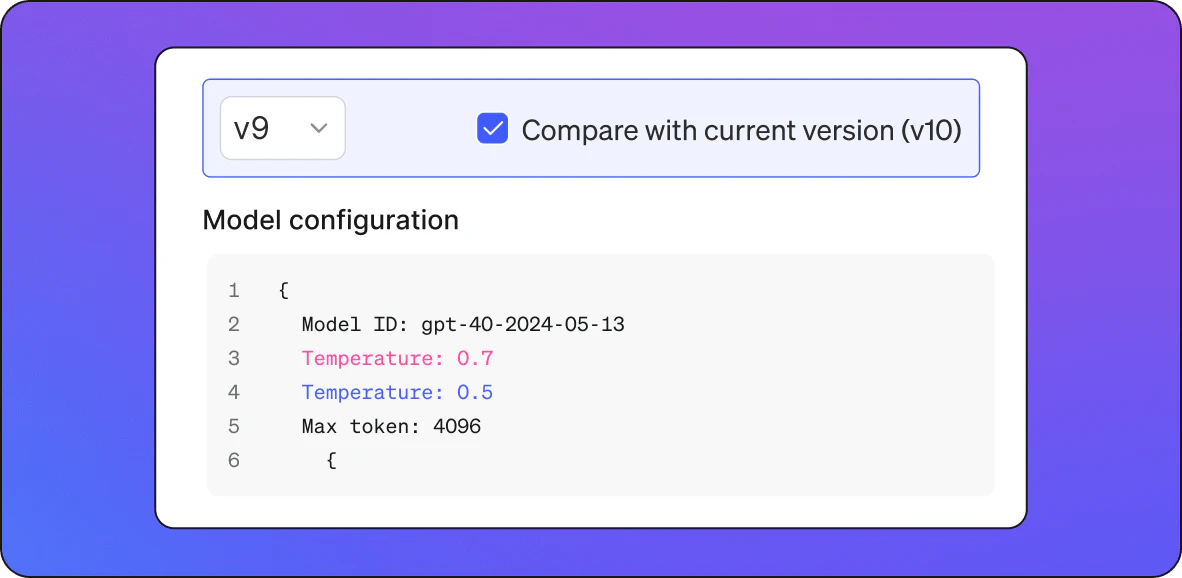
Runtime configuration
Manage system prompts, model parameters, and provider selection at runtime
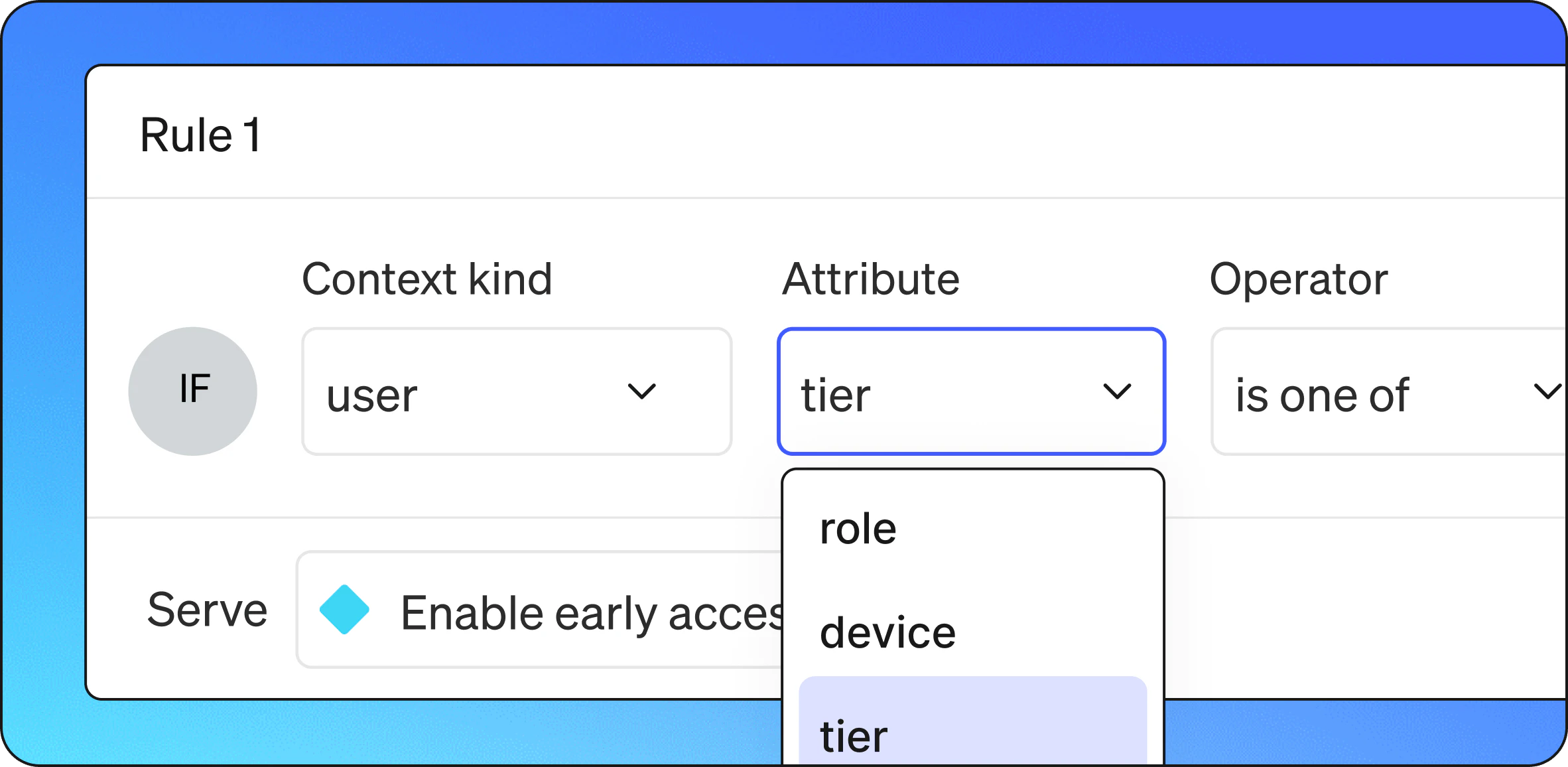
Targeted configs
Target different AI configurations to different user segments
Model portability
Avoid vendor lock-in and switch between models without touching code

Update prompts and swap AI models at runtime.
Prompt text and model selection live outside your codebase. Changes take effect in production in milliseconds.

From AI observability to resolution — without leaving the platform.
Release, observe, and remediate in a single workflow. The config you want to roll back is already in front of you.
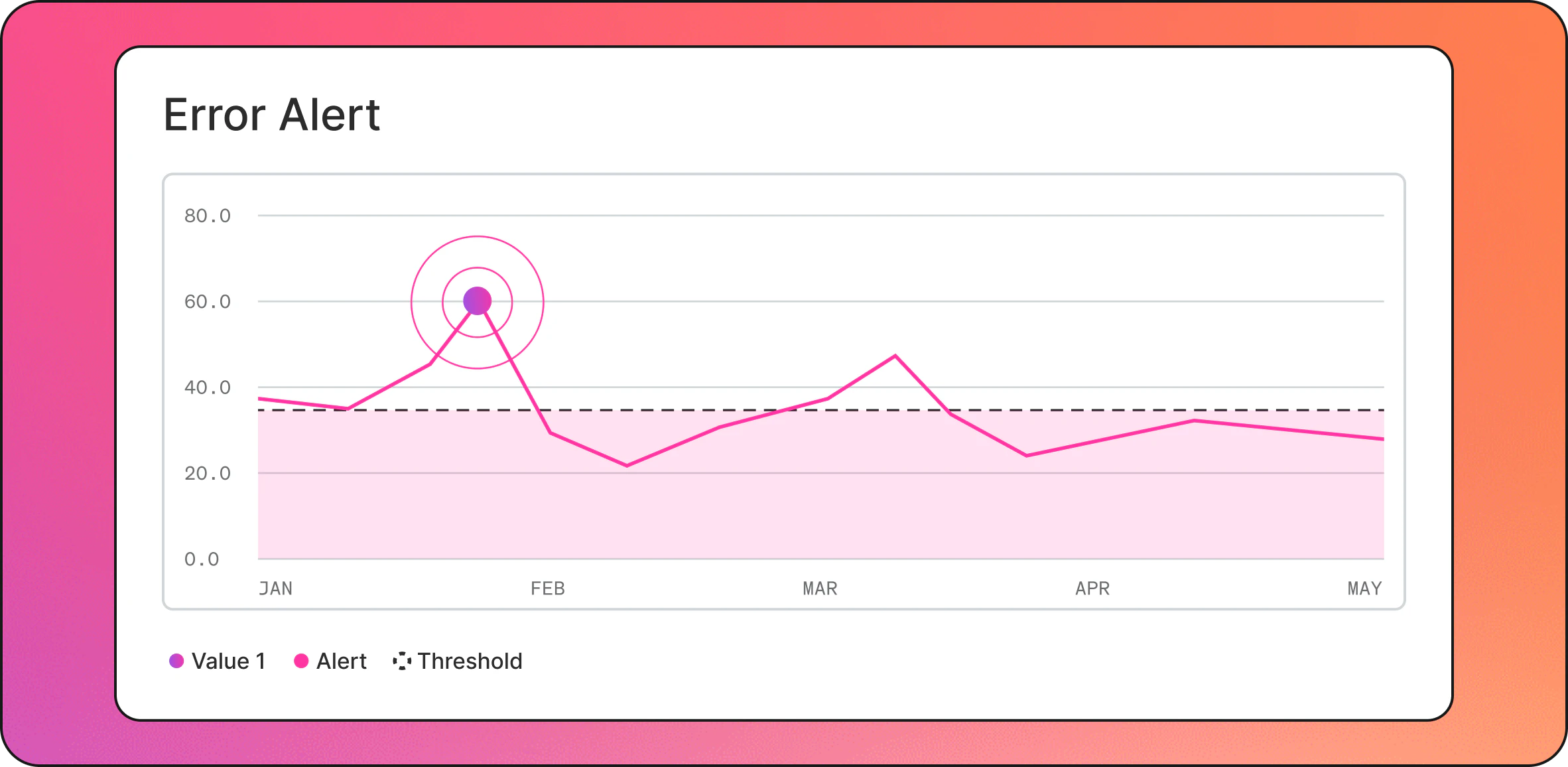
One workflow
Unified view of release state, performance signals, and agent behavior
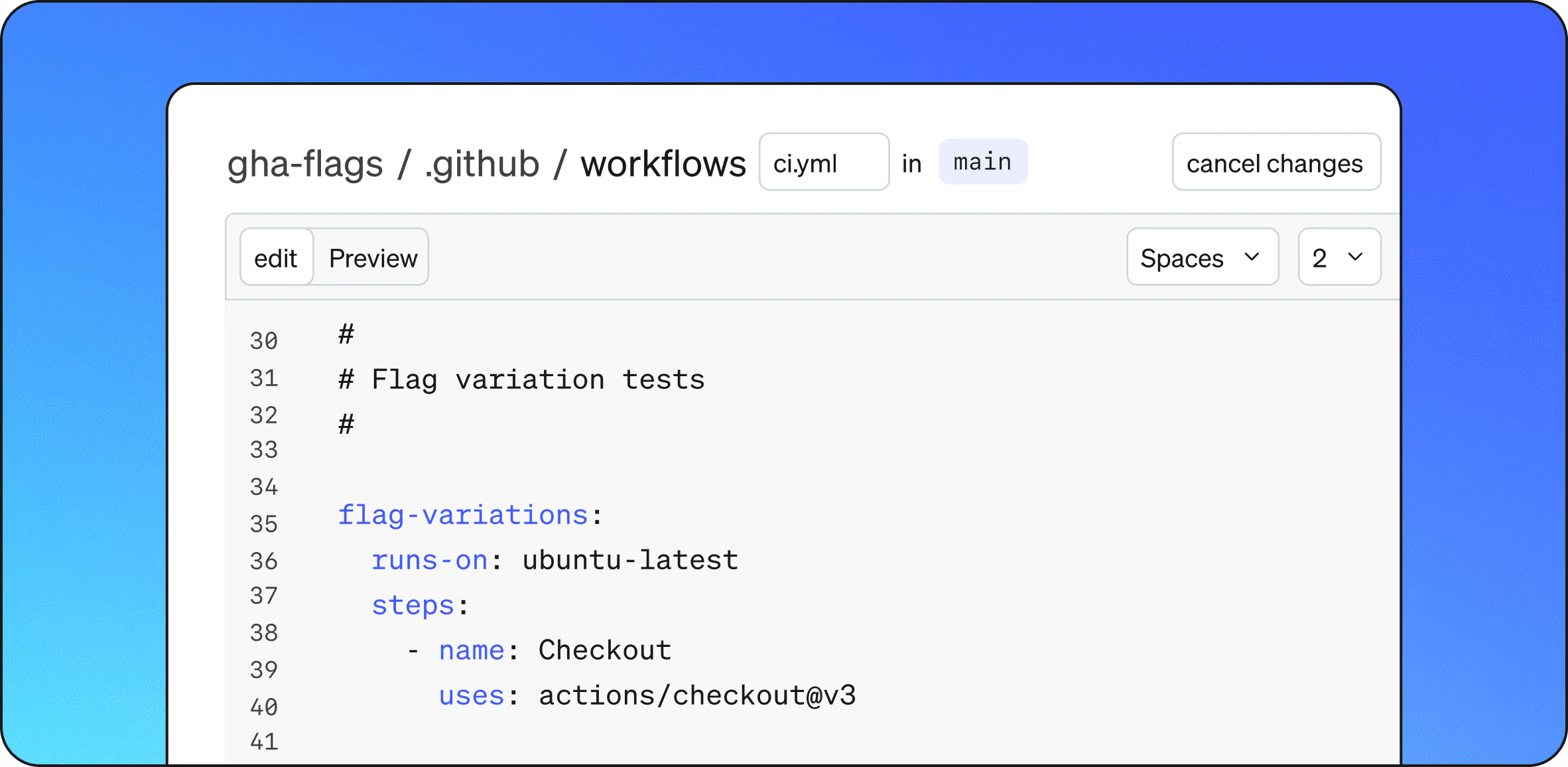
Built-in experimentation
Run A/B tests on prompt variations and measure real impact
No rip-and-replace
Works alongside your existing observability stack
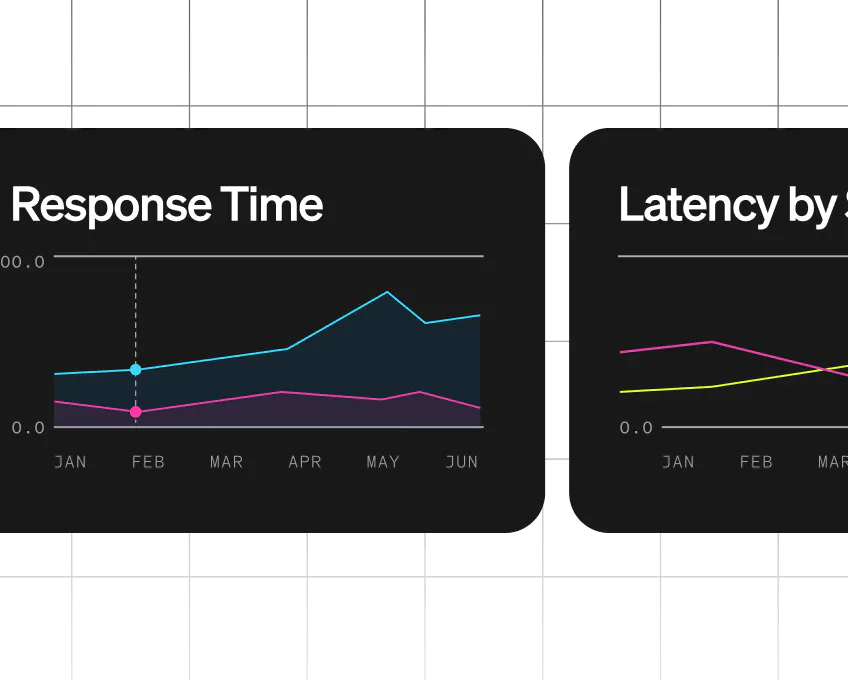
Instant kill switch
Cut traffic to a broken model or agent variation before the blast radius grows. No redeploy required.
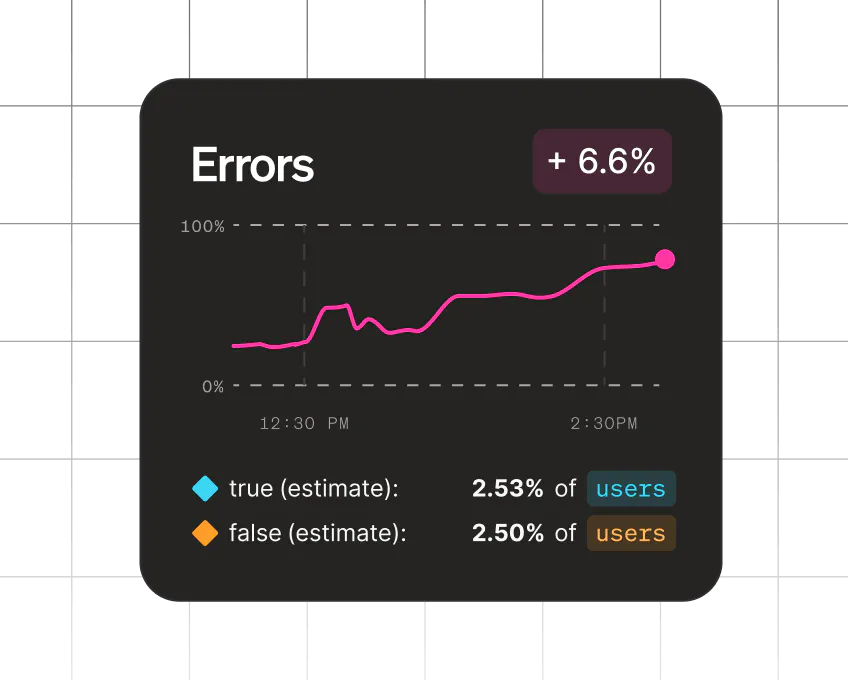
Spend less time managing AI
Controlled, progressive deployments can create opportunities for faster recovery when things go wrong.
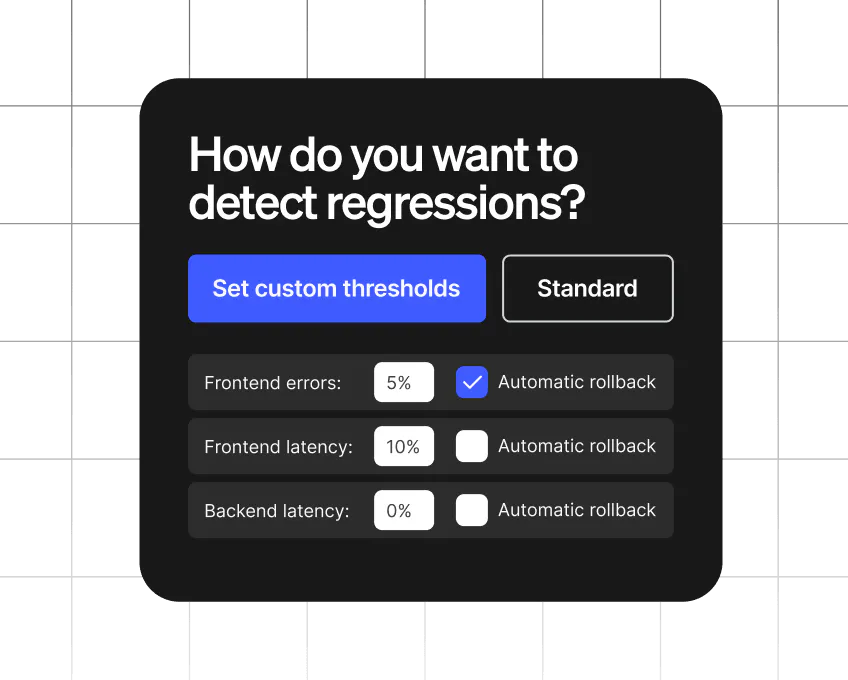
One workflow, start to finish
Feature management, AI observability, and runtime control without switching AI observability tools.
Built for teams running AI in production.
Scale is non-negotiable. LaunchDarkly gives you the same runtime controls for one LLM feature or a hundred autonomous agents.
Progressive rollouts for AI
Validate model and prompt changes with a fraction of your traffic before full exposure.
Automatic guardrails
Set performance thresholds and let the platform respond automatically.
Runtime configuration
Keep prompt logic and model selection out of your codebase so your team can iterate without a deploy.