
5 takeaways from my first PyCon JP conference
Published October 24, 2025

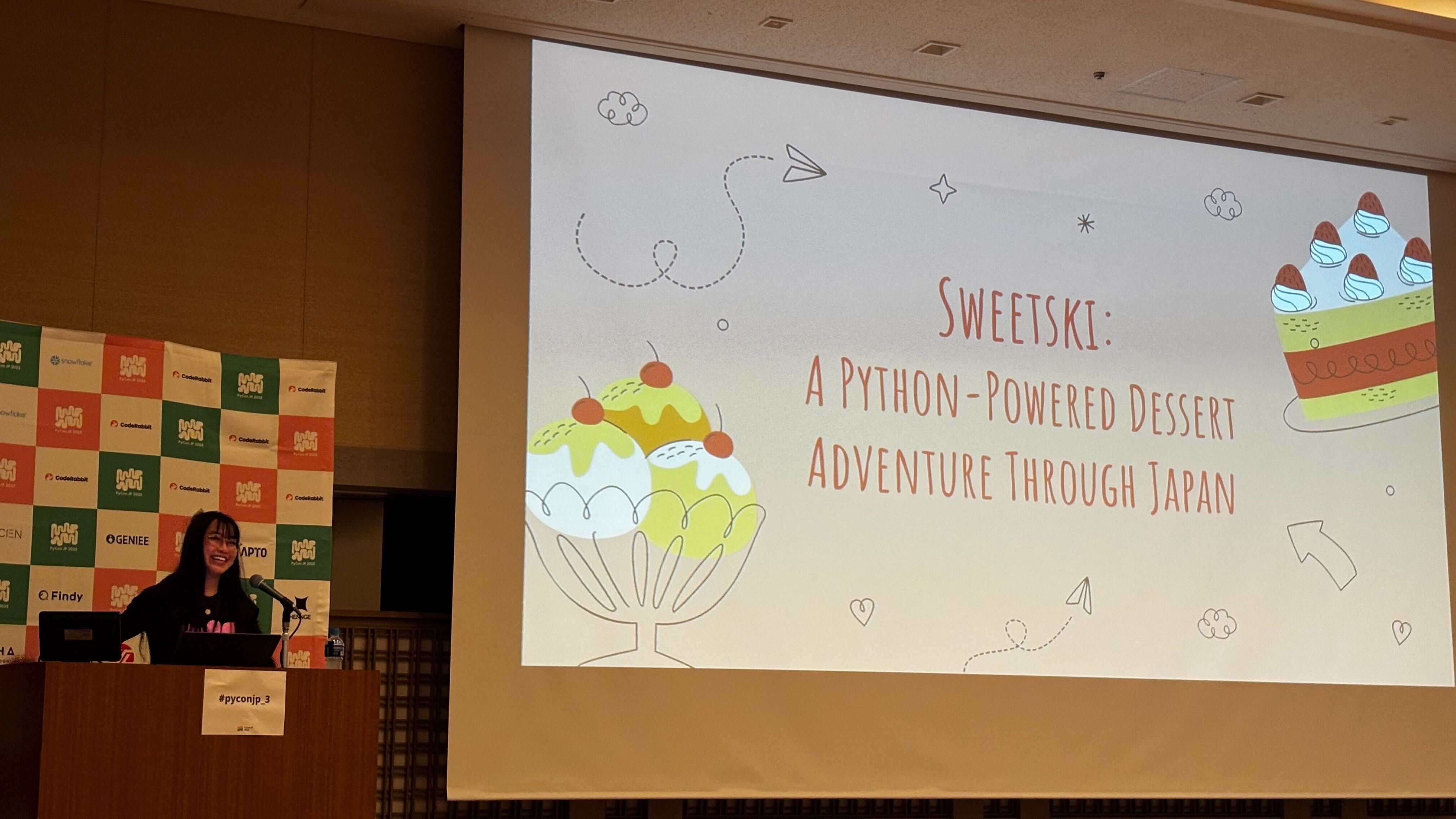
I had the honor of speaking at PyCon JP in Hiroshima on September 26, 2025.
Here are some of my takeaways from attending my first international conference, presenting a talk in English, and not knowing anyone in the crowd.
The conference organizers set aside a budget for international attendees such as myself, and I was fortunate enough to receive financial support to travel and stay in Hiroshima for the event. My participation would not have been possible without the generous support.
Thank you very much, PyCon JP! It was a lovely time exploring the city.
ありがとうございます!!
Why I attended:
I attended PyCon US in Pittsburgh with LaunchDarkly in May and had a memorable time! I didn’t know how wonderful of a community event it was. I met representatives from PyCon APAC and chatted to them about what the tech community is like abroad.
Growing up as an Asian American and only visiting Asia once in my life, it was interesting to hear the stories and talk to the booth representatives about our tech careers and other shared life experiences in Asia. I was curious to know more about the tech scene abroad, so I kept these conferences on my radar and waited for the Call for Proposals (CFP) to open up.
Eventually the CFP opened up for Pycon JP so I took some time to think about talk ideas and apply. The theme this year was “Pieces of Python, Coming Together”.
As a developer, I enjoy figuring an intersection between art and coding can come together to tell a story of my interests and identity. During my time there, I did my best to share how creativity and tech can be combined and learn how to build meaningful bonds with developers abroad.
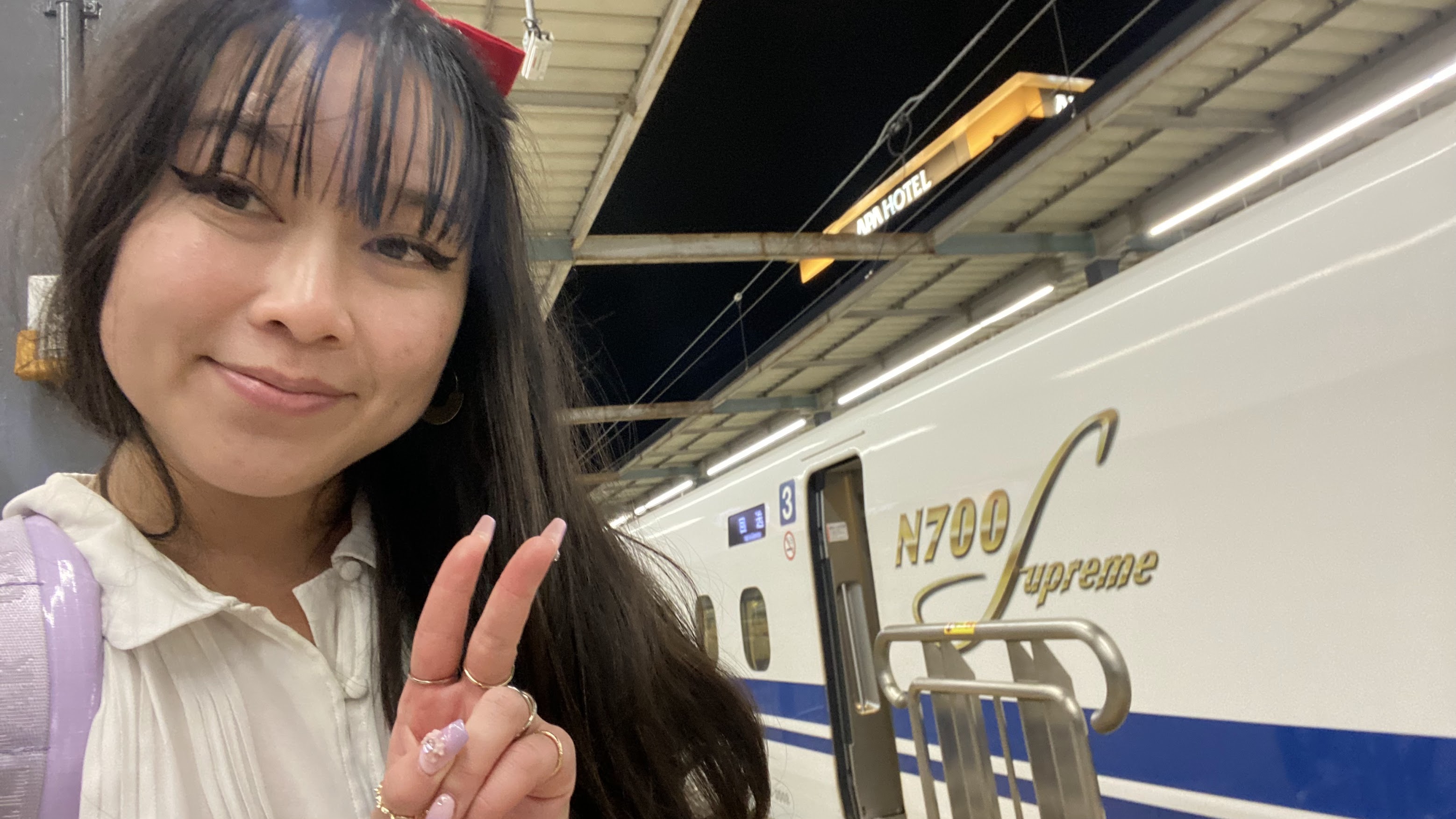
Plus, being able to tell everyone I took the Shinkansen to a work event? Peak moment in my career.
1. Breaking down the language barrier
I know very little Japanese, only enough to get by, introduce myself, and share my excitement for eating desserts and collecting train station stamps.
To my surprise, there were many attendees from other countries as well. Here’s an infographic shared by the conference organizers on Twitter/X.
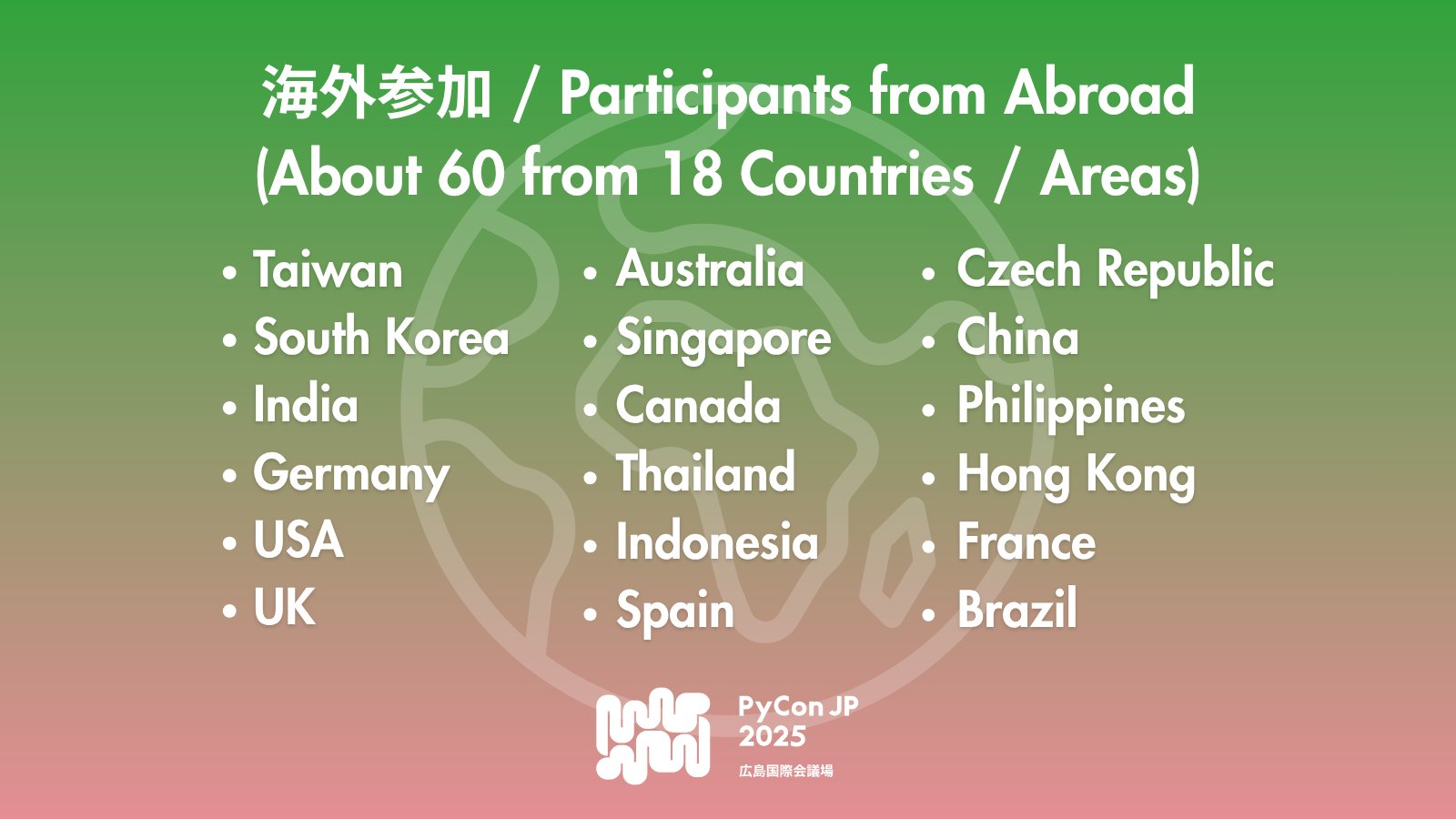
I was able to participate in language exchange with attendees from different countries. It’s awesome being able to say I have new Python friends from around the world now. I hope we can all cross paths again someday.
The coolest part of the conference was the translation transmitters. There was real time live translation going on for the keynote speakers, which was really neat because I was able to listen to both languages at the same time. What a great way to practice listening in a foreign language!
However I wish there was a live transcription during the conference talks. They offered this at PyCon US and it was a great way for me to stay engaged and follow along even if I didn’t understand the language.
2. Creativity encourages participation and engagement
To my surprise, there were not many talks that involved some interactive demo. It was heartwarming to receive both in-person compliments and kind messages online saying that my talk was refreshing, interactive, and creative.
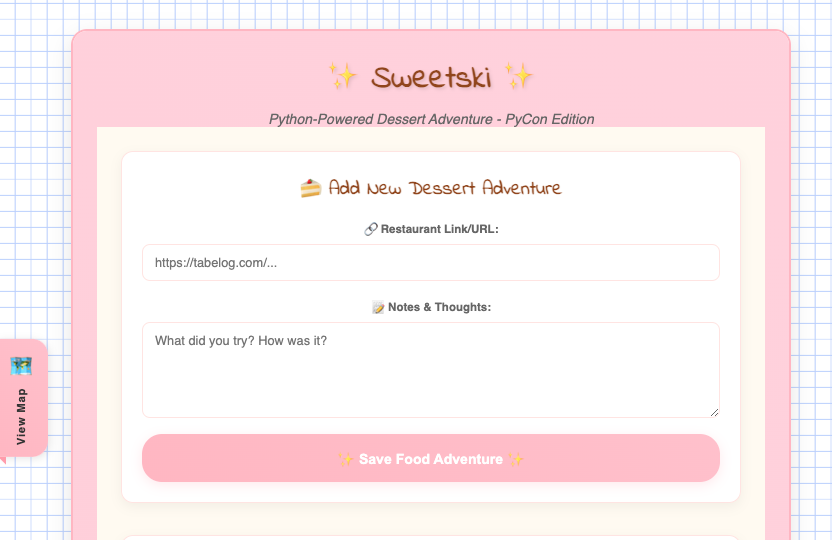
During my talk, I asked everyone in the audience to scan a QR code and tell me about their favorite dessert or food spot that they visited in Japan. I wanted people to tell me why they recommend it, or a memorable experience from that spot.
Here’s a screenshot of the website on a computer browser:
Twitter/X user Shun tweeted about a bar they visited with their team.
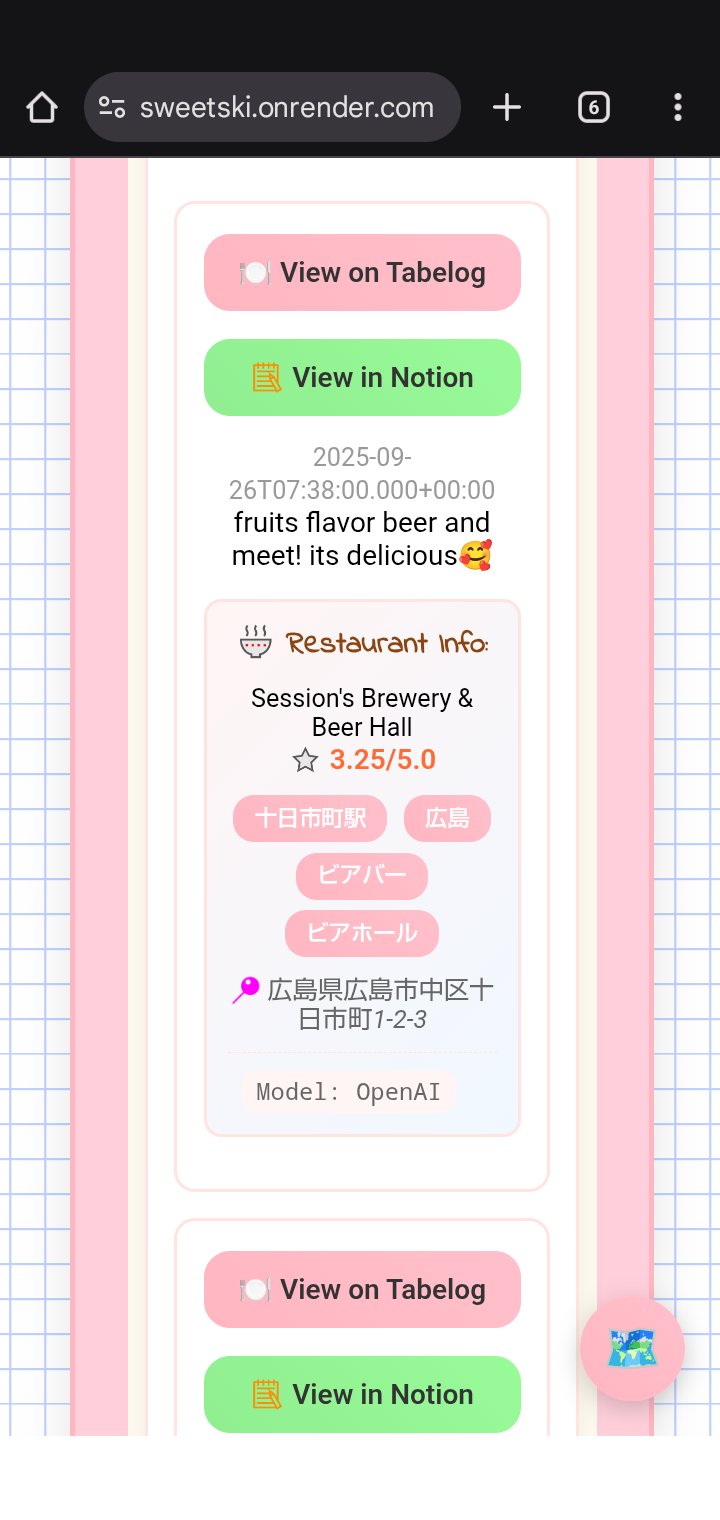
Check out the GitHub repository here.
The demo was a success and people enjoyed reading each other’s entries and finding a new food or dessert spot to check out after the conference.
As a developer evangelist, I genuinely enjoy knowing topics that interest people and what they are building. It warms my heart to have conversations with other attendees that share an interest for food and desserts just as much as me. That’s one way to break down a language barrier! They also mentioned how they want to build their own project to keep track of their interests.
It goes to show that it’s worthwhile to find creative ways to use your unique skillset. You’ll never know who is in the audience and will walk away inspired, and dare I say, hungry to build or find a sweet treat.
3. Sharing tech tools, new and old
There were talks about Python syntax and functions and creative spins on it to make the talk more engaging. A frontend engineer, Okina, shares his experiences of learning Python after working with TypeScript in his career.
FastAPI and Notion were also well known and used in Japan. This was helpful for me since I am trying to build more LaunchDarkly demos with FastAPI. And Notion? Well, that’s what I use in my personal life!
Speaking of talks that share personal interests, presenter Wat shares a new way to look at tools such as PyAudio, NumPy, and Matplotlib in order to visualize sound and audio. It was a pretty neat and technical talk that combines passion in personal life to their unique skillset.
4. Don’t forget cybersecurity practices when building with AI
Sau Yee, an engineer from Sakana AI, brought a crowd to her talk. Although the talk was in Japanese, I attended out of interest in knowing how to make Python code more secure.
The session talks about how developers should not forget to implement best security practices especially in this new era of vibecoding. Sau introduces new security concerns that are more than just SQL injections that people might already know about.
Here’s a list of some Python modules with security considerations.
Although the talk was conducted in a language I did not understand, I could tell that she kept people engaged and attendees walked away with more knowledge about security than they had before. Cyber security doesn’t have to be a challenging and scary topic!
5. AI making the learning process become a fun playground
Keynote speaker Ami Otsuka also tells a story about her time as a student and how she wasn’t motivated by homework, but more so, constantly looking for ways to avoid the homework. As someone who also learns through actions and doing than the traditional school setting, I felt that I could relate to the hunger of challenge and hands-on learning.
Ami sets on a journey to build with AI every day for 100 days and turns the learning process into fun.
The gender gap in tech is quite prevalent in Japan. Not only was it great for me to meet people identifying as female abroad, but it was great to share stories of our experiences in the tech field. Although there is skepticism towards AI, it is great to observe how AI tools can become a learning tool for those breaking into the tech field.
There’s always work to be done and we can only support one another as we navigate economic opportunities in this fast paced world.
Bonus: Desserts data from the trip:
Since my talk was inspired by all of the amazing desserts I ate, it feels incomplete to end this blog post without sharing some photos.
Although I did not eat as much dessert in Hiroshima as I’d hope to, here are some desserts I ate during my trip this time:
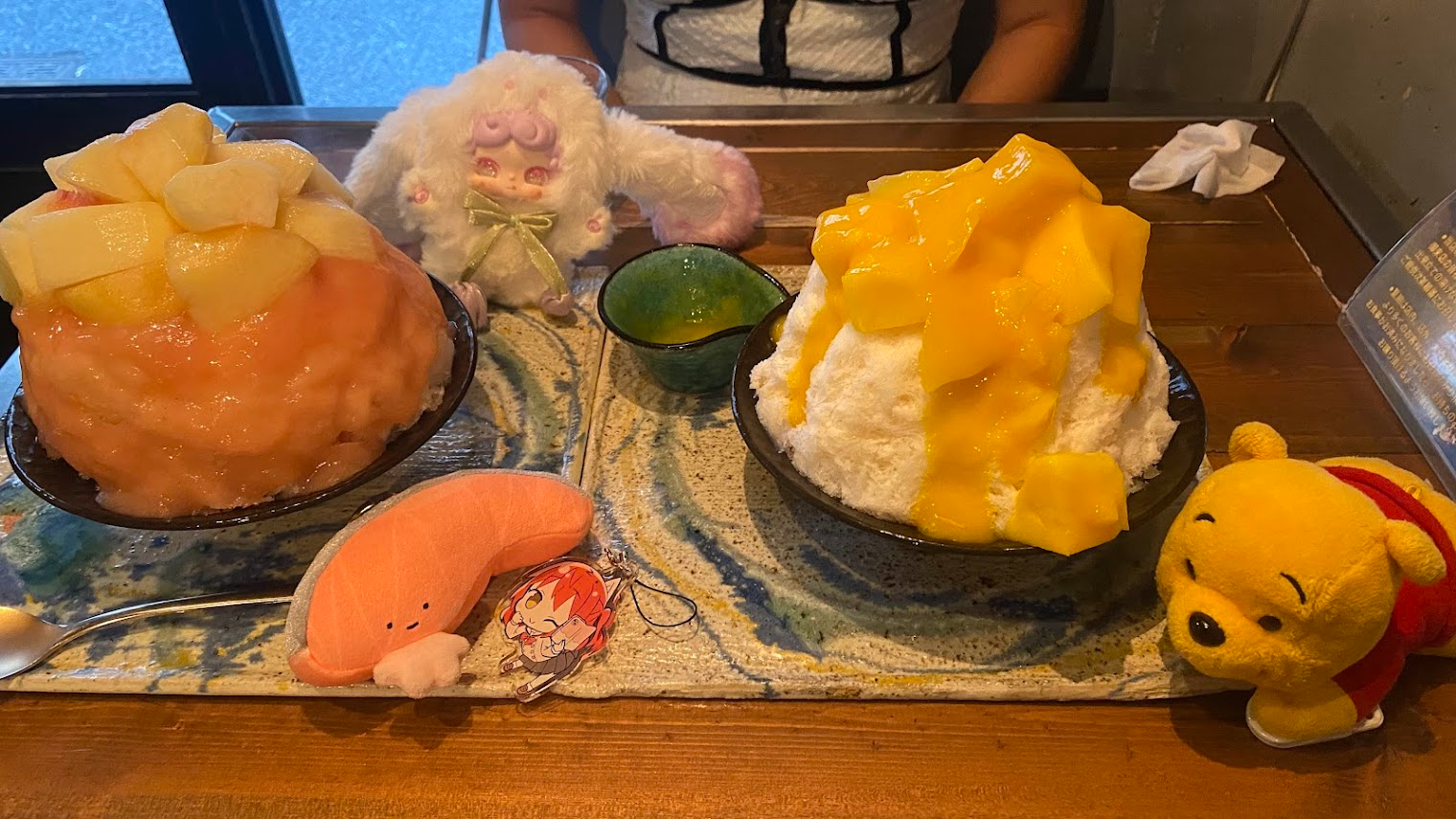
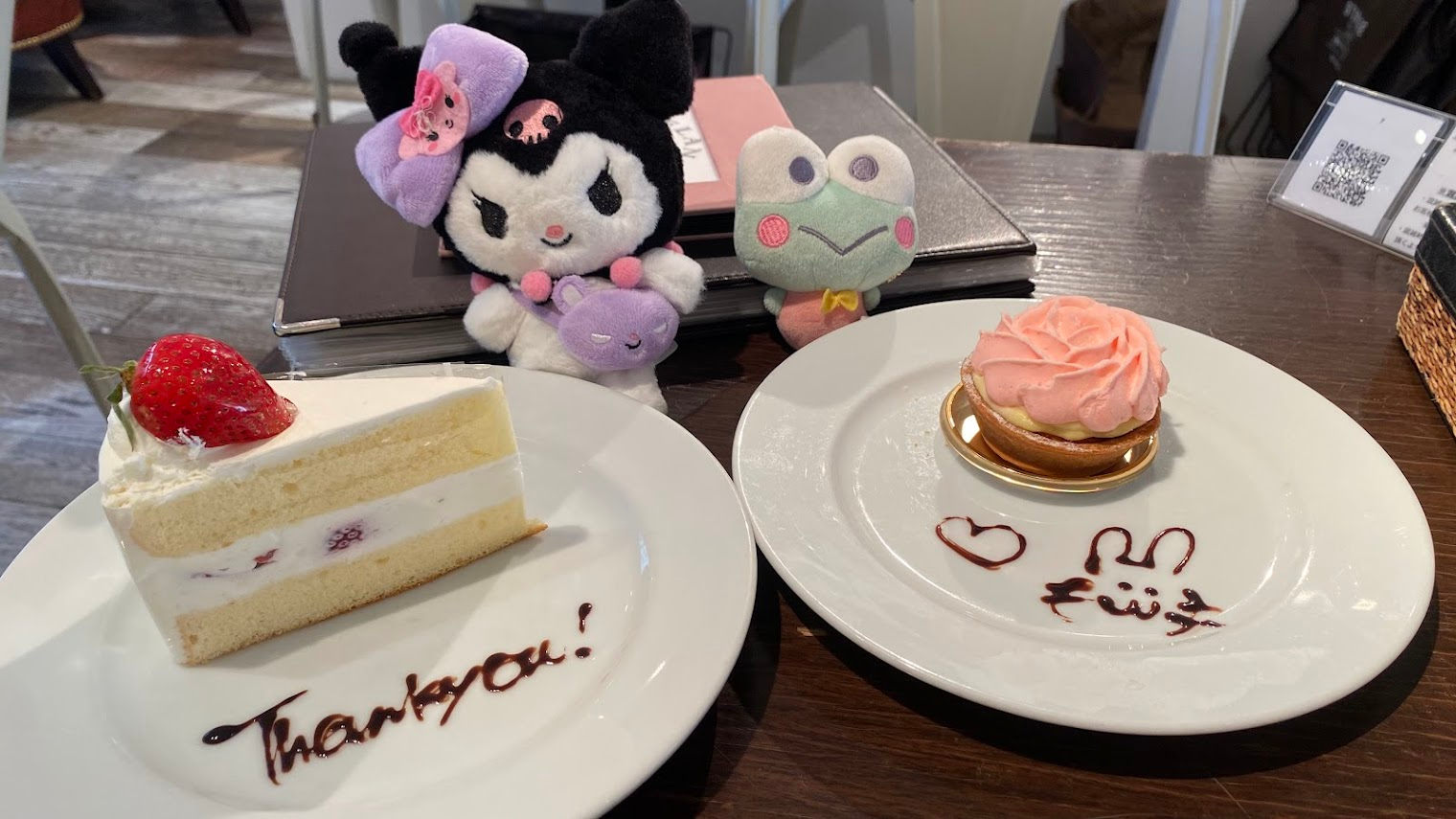

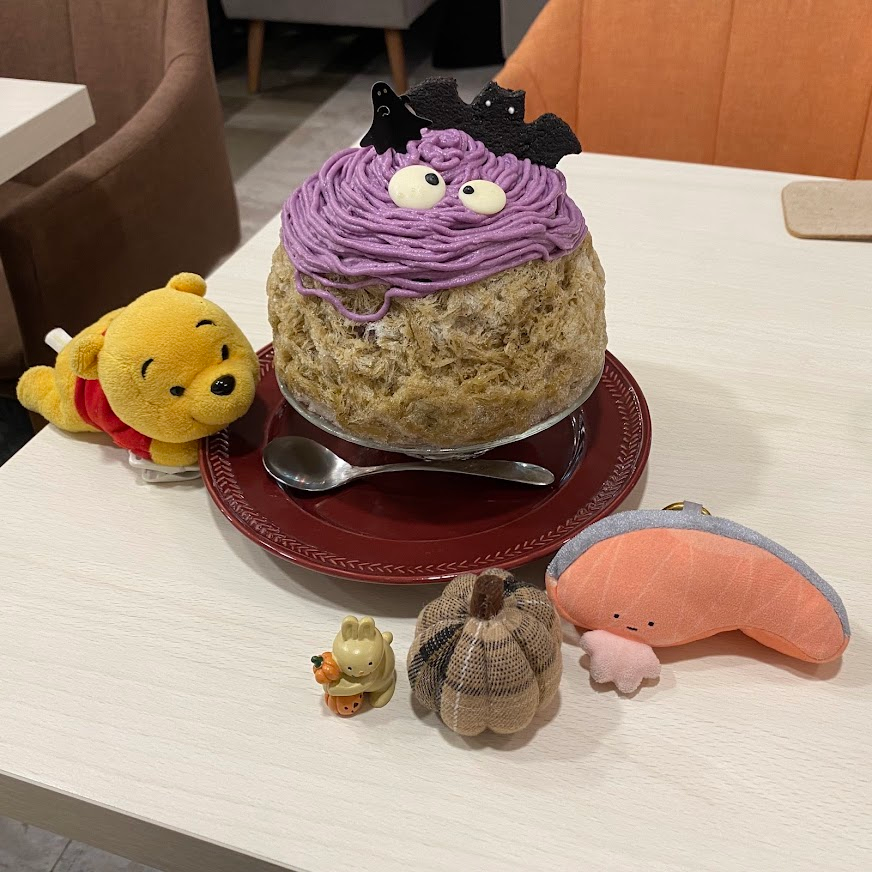
However, if you are thinking of attending PyCon JP next year, don’t forget to eat the okonomiyaki in Nagarekawacho. おいしいです!
What’s next for Diane?
After fighting for my life to beat jetlag, I feel fulfilled to know that I inspired developers of varying skill levels in Python to find creative ways to tell stories with data and build passion projects.
またね hope to see you all soon!
Be sure to stay in touch with me over Twitter/X, Bsky, or connect with me on LinkedIn and let me know what you’re building, or which desserts stood out to you. It’s never too early to start building my food itinerary for my next trip.
Follow PyCon JP on Twitter / X, Facebook, and Instagram for more information on next year’s event.